
No-shows and cancellations at the last minute are more than irritating—they cost your spa or salon time, money, and client loyalty. Though it’s not possible to eliminate them, there are effective methods you can implement to significantly decrease their occurrence. From more intelligent booking systems to more effective client relationships, here are 10+ techniques for keeping your books full and your business profitable.
10+ Tips to Minimize No-Shows at Your Salon or Spa
1. Monitor Your No-Show Count
Before decreasing no-shows, you must learn how much they cost you. Take advantage of salon reporting software such to monitor missed appointments and estimate annual losses. See if there are patterns—are some staff members receiving more no-shows? Are certain days or time slots off? Do some services experience more absences than others? Figuring out these trends can allow you to implement solutions that specifically target the source of the issue.
2. Re-examine Your Services

No-shows sometimes indicate more serious problems with service quality. If clients aren’t returning after missing appointments, it may be time to look at what you’re providing. Are clients getting the experience they anticipate? Do your employees need further training? Is the salon quality behind schedule? Dissatisfied clients won’t complain—often, they simply won’t come back. Ensure all touchpoints in your service make a positive impression.
3. Utilize SMS Appointment Reminders
Forgetfulness is a primary cause of no-shows, but reminders via SMS can be a game-changer. If you’re not sending them yet, it’s time to begin. Most customer welcome a reminder 24–48 hours before their appointment, allowing them to confirm or reschedule if necessary. Ensure your messages request a quick “Yes” or “No” response, confirmed appointments significantly boost show-up rates.
4. Provide Online Booking Options
Online booking is convenient and empowering for clients. When individuals can book from their phone on their own time, they’re apt to pick good times for them—and less likely to forget their appointments. Placing a booking button on your website or social media page is simple and effective. Just make sure to mention your cancellation policy so everyone knows what to expect from the very beginning.
5. Keep Client Details Updated
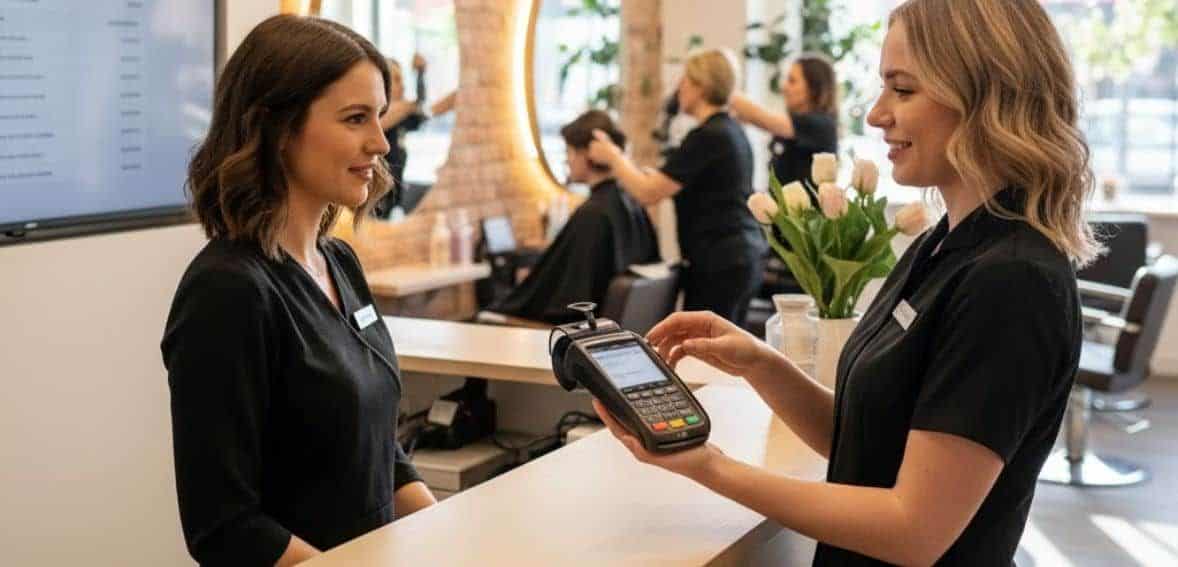
Your follow-ups and reminders are only effective if you’ve got the correct contact information. Ensure it’s a practice to verify email addresses and phone numbers at every visit. This also allows you to track repeat no-show clients and tailor your strategy suitably. For such visitors, you may enforce a booking deposit or notice stating that cancellations need to be done at least 48 hours ahead of time to not incur a fee.
6. Make Your Cancellation Policy Clear
Transparency is key. Get your cancellation policy out there—on your website, in your emails, at the front desk, and in your text reminders. Clients who understand that your time is precious and that no-shows cost them something’ll be more likely to honor your schedule. Clarity and consistency lead to right expectations and avoiding clients who don’t show up.
7. Train and Coordinate Your Staff
Have team meetings to review no-show rates and let everyone know your cancellation policy. Your staff needs to know how to explain it to clients and handle it when someone doesn’t arrive. If one staffer has more no-shows than the rest, investigate further—perhaps it’s a time management problem or lack of customer service. Aligning everyone can make all the difference.
8. Build Client Relationships

Strong client relationships pay big results. Clients with a personal relationship with you or your team won’t be as likely to show up without notification. Invest the time to learn about their tastes, and show respect for their time by staying on schedule. Kindness and interest create loyalty and decrease nonchalant no-shows.
9. Manage Repeat Offenders Carefully
For persistent no-shows, you’ll need a set policy. You may have to deposit on future appointments or make an up-front payment for costly services. It helps balance out losses and keep people accountable. But do it gently—consider whether it’s worth retaining the client if they just keep costing your business money.
10. Follow Up After Missed Appointments
A courtesy follow-up message after a no-show indicates that you care—and it may persuade a client to reschedule. Most clients are embarrassed about missing an appointment and will not call again alone. A gentle, empathetic message can restore the relationship. However, not all no-shows should be followed up on if the client is a repeat offender.
11. Incentivize Reliability
Positive reinforcement is as effective as penalty. Reward clients who always arrive punctually with little rewards—such as a discount on their return visit, a loyalty point, or entry in the monthly drawing. These little things reward dependable behavior and increase client satisfaction and loyalty. When clients are rewarded for valuing your time, they’re more inclined to keep doing so.
Common Cause of Customer No-Shows

Forgetfulness
Forgetfulness is one of the most prevalent causes of clients not showing up for appointments. Things get hectic, and even the most organized individual can forget about dates. Without a reminder or nudge, it’s simple for an appointment to slip through the cracks—particularly if one made it weeks ago.
Unforeseen Circumstances
Last-minute crises do occur. Whatever the reason—sudden illness, family emergency, or work crisis—sometimes clients can’t possibly show up. Such crises are sometimes unavoidable and unpredictable, yet they take their toll on your agenda and bottom line.
Inconvenient Timing
At times, the scheduled time is no longer convenient for the client. Perhaps something arose, or they did not look at their booking schedule well. If rearranging seems to be a nuisance or they do not know how to go about it, they may simply cancel the appointment rather than call to cancel or reschedule.
Perceived Unimportance
If clients don’t perceive your service as a necessity, they will not consider it important to appear. The common reason for this occurs when they have no emotional attachment to the salon or were not completely satisfied with the last visit. Without feeling any importance or value, not attending the appointment may not register as something important to them.
Lack of Reminders
If a reminder isn’t provided, clients might even forget. Not everyone sits at the computer checking emails continuously, and without a timely SMS or phone call, appointments can easily be forgotten. A good reminder system helps ensure your books stay full and clients remain responsible.
How No-Shows and Last-Minute Cancellations Impact Your Salon

Revenue Lost Due to Missed Appointments
When a client fails to appear or cancels at the last minute, your salon suffers a direct loss of money. A paying customer could have filled that empty slot. These openings in your calendar can add up significantly over time. Industry statistics indicate that salons lose tens of thousands annually due to no-shows—money that cannot be recovered. It’s not the loss of one appointment; it’s the effect it has on your annual bottom line.
Wasted Resources and Time
No-shows aren’t only expensive—they’re wasteful too. Employees might have prepared a station, set up tools, or reserved time they can no longer use. That vacant time could have been utilized more productively to serve another customer or complete other work. Plus, there’s the expense of utilities and any products prepped ahead of time. It’s a lost opportunity in both an operational and financial sense.
Disruptions to Scheduling
If your workday is structured around booked appointments, each no-show disrupts the rhythm. Stylists must rework their schedule, perhaps rush or hold up other clients, and endure the tension of an interrupted routine. This can create inefficiencies or decreased productivity throughout the staff.
Drop in Team Morale
There is no more disappointing thing for a stylist than getting ready for a service only to have the client fail to appear. It feels like wasted time and can effect motivation over time. Habitual no-shows will wear on team morale over time—particularly if your team is commission- or tip-based. If cancellations get out of hand, you could build frustration among your team, ultimately getting to the point where they get high turnover or substandard service.
Conclusion
Reducing no-shows requires a combination of smart tools, clear communication, and great customer service. By implementing these strategies, you’ll protect your time, boost revenue, and create a more reliable experience for your team and your clients.
FAQs
What is a no-show appointment?
A no-show is when a client misses their appointment without informing the salon beforehand.
How do no-shows affect my salon business?
No-shows result in lost business, wasted staff time, and interrupted schedules.
Can appointment reminders reduce no-shows?
Yes, reminders via SMS or email 24–48 hours in advance can dramatically cut missed appointments.
Should I charge a fee for no-shows?
A cancellation fee policy can discourage repeat offenders and safeguard your business.
What’s the best way to prevent repeat no-shows?
Track client history, charge deposits if necessary, and develop stronger client relationships.